
Floor Compatibility Guide
Floor Compatibility & Surface Protection Guide
Preventing floor scratches, scuffs, and scraping noise begins with matching your floor surface to the right furniture glide base. Browse by surface below or consult our technical compatibility matrix.
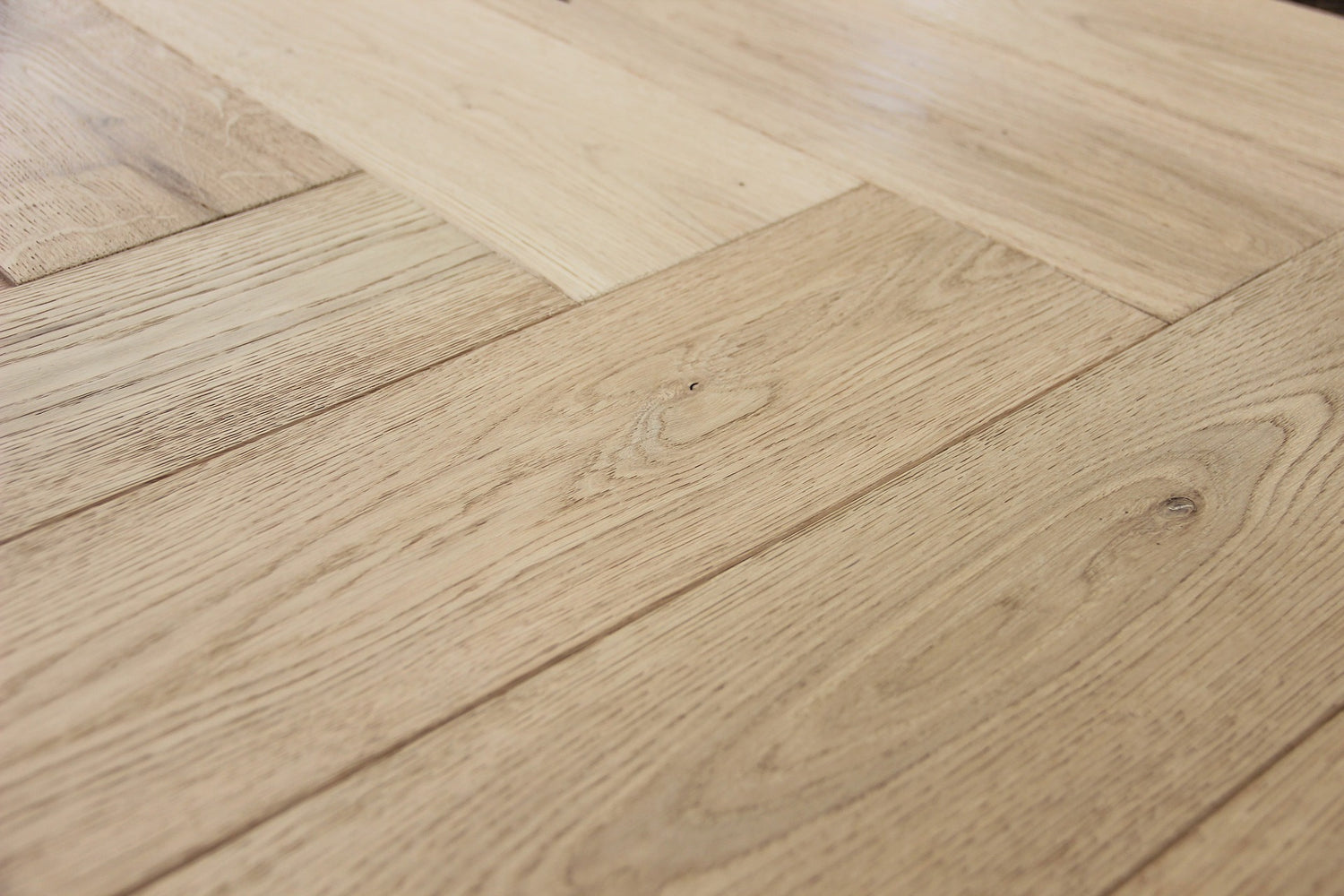
Wood, Parquet & Engineered Timber
Compressed wool-felt bases designed to glide silently across delicate timber surfaces, eliminating micro-scratches and gouging under heavy loads.
LVT, Vinyl, Laminate & Amtico
Low-friction PTFE and smooth felt glides engineered to protect synthetic wear layers without leaving drag marks, pressure dents, or sticky residue.
Ceramic, Porcelain & Natural Stone
Ultra-smooth PTFE, HDPE, LDPE, and nylon bases that bridge grout lines seamlessly without snagging or wearing down rapidly on abrasive stone.
Carpet & Commercial Rugs
Low-drag chrome steel, hard nylon, HDPE, and PTFE sliders engineered to glide smoothly without catching or pulling carpet fibres.
Poured Resin, Cast & Screed Floors
Protective glides that cushion smooth industrial resin and epoxy coatings, maintaining showroom gloss and preventing dull abrasive tracking.
Outdoor Paving, Concrete & Decking
Weather-resistant, UV-stabilised HDPE, LDPE, and PVC-P polymer caps engineered for coarse concrete, stone paving, and exterior decking planks.
Choosing the Right Base Material for Your Surface
Selecting the correct base material ensures optimal glide performance, acoustic dampening, and long-term surface preservation:
Compressed Wool Felt
Best for: Real Hardwood, Parquet, Cork, and High-Gloss Resin.
Provides maximum scratch protection and near-silent sliding. Requires periodic cleaning to remove trapped grit.
PTFE (Teflon)
Best for: LVT, Karndean, Laminate, Ceramic Tile, and Stone.
Extremely low friction for effortless chair movement. Easily slides across grout lines and resists moisture.
High-Density Polyethylene (HDPE)
Best for: Standard Tiles, Outdoor Surfaces, Concrete, and General Plastics.
Hard-wearing, durable polymer designed for rougher surfaces and heavier static loads.
Polished Steel & Chrome
Best for: Commercial Carpet and Thick Rugs.
Minimises surface drag against carpet fibres, allowing heavy office chairs and boardroom tables to glide freely.
Floor Suitability Matrix
Consult our quick cross-reference chart below to verify glide material compatibility against specific flooring finishes:
| Floor Type | Felt* | Teflon (PTFE) | Other Plastics | Steel |
|---|---|---|---|---|
| Smooth & Polished Floors | ||||
| Wood (Solid & Engineered) | ++ | + | +/- | -- |
| Parquet Flooring | ++ | + | - | - |
| Laminate | ++ | ++ | + | - |
| LVT / Luxury Vinyl (Amtico, Karndean, Moduleo) | ++ | ++ | +/- | +/- |
| Sheet Vinyl & Rubber | ++ | ++ | +/- | +/- |
| Cast Floor / Poured Resin & Screed | ++ | + | +/- | -- |
| Linoleum / Marmoleum | ++ | ++ | +/- | +/- |
| Cork Flooring | ++ | + | +/- | -- |
| Polished / Honed Natural Stone | ++ | + | +/- | -- |
| Ceramic & Standard Tiles | + | + | ++ | -- |
| Rough & Textured Floors | ||||
| Concrete (Smooth / Industrial) | - | + | + | +/- |
| Decorative Gravel / Resin Bound | - | + | + | +/- |
| Rough Slate / Quartzite / Riven Stone | +/- | +/- | +/- | -- |
| Paving Slabs & Outdoor Cobblestones | - | + | ++ | - |
| Soft Floor Coverings | ||||
| Commercial & Domestic Carpet | - | + | + | ++ |
* Routine Inspection & Maintenance: Felt glides should be checked regularly for wear and replaced as soon as thinning occurs. A worn or grit-saturated felt base can damage delicate flooring.
** Surface Area & Load Distribution: Glides with a larger base diameter distribute furniture weight more evenly, ensuring superior surface protection, quieter movement, and longer component life.
Disclaimer: This guide is intended for general guidance only. Suitability may vary depending on floor finish, traffic levels, and load weight. Keay Vital Parts accepts no liability for surface damage resulting from glide selection or natural wear.
Frequently Asked Questions
Why shouldn't I use plastic glides on real wood floors?
Hard plastic glides can trap grit underneath and create micro-scratches as chairs are dragged back and forth. Over time, plastic can wear down to sharp edges that gouge softer timber and parquet surfaces.
Are PTFE (Teflon) glides better than felt for LVT and vinyl floors?
Both perform exceptionally well. PTFE glides offer effortless sliding with minimal drag resistance and do not collect pet hair or dust like felt, making them ideal for modern luxury vinyl tiles (LVT) and laminate.
How often should I replace my chair felt pads?
In high-traffic dining and commercial spaces, check felt pads every 3 to 6 months. Replace them as soon as the wool felt compresses flat or becomes contaminated with dirt and floor grit.
Let customers speak for us

Exactly as described. I would have preferred 25mm but these worked with a dab of glue

Very fast delivery and exactly as expected

Excellent service and excellent product. Just what we needed
We have two step ladders, one had a new set of ferrules earlier this year; the other ladder felt left out, but now has a new set of shoes which fit perfectly!
perfect.

Great

We have a coatstand with a tubular frame. It is a timeless, useful design which we have had for many years ... the original 'feet' disintegrated years ago. It didn't matter as it was sitting on ceramic tiles. We have recently relocated to a house with Amtico flooring and pieces of cardboard under the feet wasn't a long-term solution. One of your products came to the rescue and gave our coatstand a new lease of life. Thank you.
Perfect, quality item for my needs.
Arrived quickly
Quality item perfect for my needs

Excellent product!
Couldn't use them I ordered the wrong size,but great service 🙄

The product work as expected - allowing a bespoke ply platform for my washing machine to slide over a vinyl floor. However the stand out thing for me was the service from KeayVitalParts. Ordered Friday PM (after the 1.00Pm cut off) and products were delivered on the Tuesday - but it was a Bank Holiday Monday weekend a so really pleased. Well done

It's been so hard to find a product suitable for the chairs the glides are spot on well worth t he time to find them thanx
Excellent product

Great quality and ideal for what I wanted